
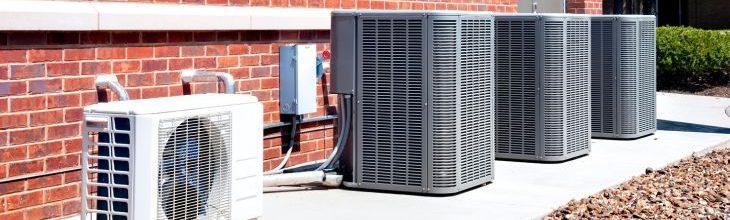
So, how do you know when to replace your HVAC system? In most cases, it’s time to start shopping for a new unit once your system hits the 10-15 year mark, needs repairs more often than you check your phone, or is costing you more to run each month than it’s worth in comfort. If your AC is huffing, puffing, and still not blowing your house down to a comfortable temperature, that’s your cue.
Of course, “in most cases” isn’t the same as “always,” which is why we’re breaking down the real signs, factors, and Florida-specific quirks that go into deciding when to replace HVAC equipment instead of nursing it along for one more summer.
Age: The Not-So-Golden Years
Like a well-loved beach cruiser bike, your HVAC system can keep rolling for years with the right care — but eventually, the wheels (or in this case, the compressor) start to wobble. Most air conditioners and heat pumps are built to last 10 to 15 years, especially here in Central Florida, where our units work overtime nearly year-round. If your system is creeping past that age range, it’s not necessarily on its last leg, but it’s definitely due for some honest self-reflection (and maybe a professional inspection).
According to ENERGY STAR, it’s typically time to consider a replacement once your equipment is more than 10 years old, especially if it’s needing frequent repairs and your energy bills are creeping up alongside it. That’s the HVAC equivalent of running a marathon in flip-flops: technically possible, but not exactly efficient.
The R-22 Phase-Out: When Your Refrigerant Becomes a Collector’s Item
If your system was installed before 2010, there’s a good chance it runs on R-22 refrigerant, also known as Freon. The EPA phased out R-22 because of its impact on the ozone layer, and as of 2020 it’s no longer produced or imported in the U.S. That means the only R-22 left is whatever’s been stockpiled or reclaimed, and prices have climbed accordingly.
So if your older unit has a refrigerant leak or needs a refrigerant recharge, you could be paying premium prices for a substance that’s basically the HVAC version of a vintage vinyl record. Rare, pricey, and not getting any cheaper. For systems in the 10-15+ year range, pouring money into R-22 repairs rarely makes financial sense. Replacing the unit with a modern system that uses today’s approved refrigerants is usually the smarter long-term move.
Repair vs. Replace: Do the Math
Every AC unit hits a point where you have to ask, “Am I fixing this thing, or feeding it?” A good rule of thumb is the 50% rule: if a repair costs more than half the price of a new system, replacement usually makes more financial (and emotional) sense. If you’re calling your technician more often than your favorite pizza place, that’s a sign your system is asking to retire.
We’ve written more about weighing this decision in our guide on whether to repair or replace your air conditioner, which walks through the specific scenarios where each option makes sense.
Rising Energy Bills
If your energy bills have been climbing steadily even though your habits haven’t changed, your HVAC system may be sending you a not-so-subtle hint. Aging systems lose efficiency, forcing them to run longer and harder to maintain the same temperature — which means more strain on the system and more money leaving your wallet.
The good news: replacing an inefficient system doesn’t have to be a purely out-of-pocket expense. The U.S. Department of Energy offers federal tax credits for qualifying high-efficiency HVAC upgrades, which can help offset the cost of a new system. In Florida, where your AC practically doubles as a full-time employee, that kind of help is worth taking advantage of.
Comfort and Performance Issues
Uneven temperatures from room to room, excessive humidity, strange noises, or an AC that just can’t keep up with the heat are all signals worth paying attention to. If you find yourself layering blankets in one room and running a fan in another, your system may no longer be sized or functioning properly for your home.
We cover many of these red flags in more detail in our post on signs your air conditioner needs to be replaced, including the noises and quirks that tend to show up right before a full system failure.
Frequent AC Repairs
An occasional repair is normal HVAC maintenance. Frequent AC repairs, though, are your system’s way of waving a white flag. If you’ve had multiple service calls within a year or two, the cost of ongoing repairs — plus the inconvenience of unreliable cooling — often outweighs the upfront cost of a new, more dependable system.
Efficiency Ratings Have Come a Long Way
If your HVAC system was installed a decade or more ago, it’s likely operating at a much lower efficiency rating than what’s standard today. SEER (Seasonal Energy Efficiency Ratio) requirements have increased significantly over the years, meaning newer systems can cool your home using noticeably less energy than older models. Think of it like upgrading from a flip phone to a smartphone — your old unit still “works,” but it’s missing out on a lot of improvements that make life easier (and cheaper).
Higher-efficiency systems also tend to run quieter and offer better humidity control, which matters a lot in Florida’s famously sticky climate. If your current system is a lower-efficiency model, replacing it could mean more consistent comfort in addition to lower bills.
DIY vs. Pro: What You Can Check Before You Call
Before you start mentally picking out a new system, it’s worth ruling out a few simple culprits. Sometimes an AC that seems ready for retirement just needs a little TLC:
- Check your air filter. A clogged filter can choke airflow and make even a healthy system struggle. If it’s gray and dusty, swap it out. Most filters should be replaced every 1-3 months.
- Look at your thermostat. Make sure it’s set to “cool,” the temperature is set correctly, and the batteries aren’t dead. You’d be surprised how many “broken” ACs are really just thermostats that went bad.
- Verify your circuit breaker. If your system won’t turn on at all, check your electrical panel for a tripped breaker and reset it once.
- Clear around the outdoor unit. Leaves, grass clippings, and overgrown shrubs can block airflow. Give your condenser at least a couple of feet of breathing room.
If you’ve checked all of the above and your system is still underperforming, or the breaker keeps tripping, it’s time to call in a pro. Anything involving refrigerant, electrical components, or the inside of the unit should be left to a licensed technician. A professional check-up can tell you whether your system just needs a repair or whether it’s truly time for a replacement.
The Bottom Line
Deciding when to replace your HVAC system comes down to a mix of age, repair costs, efficiency, refrigerant type, and comfort. If your unit is pushing 10-15 years old, still runs on R-22, needs constant attention, or is quietly draining your bank account through rising energy bills, it’s probably time to let it retire gracefully rather than limp through another Florida summer.
Call Complete Air Mechanical for HVAC Replacement in Central Florida
Not sure if your system needs a repair or a full replacement? Our family-owned team has been keeping Central Florida cool (and comfortable) since 1992. We’ll take a look, give you an honest assessment, and help you find the right system for your home and budget — no pressure, no guesswork, just straightforward advice from people who actually enjoy talking about air conditioners.
Schedule Service Online or call us at 407-915-0144.