
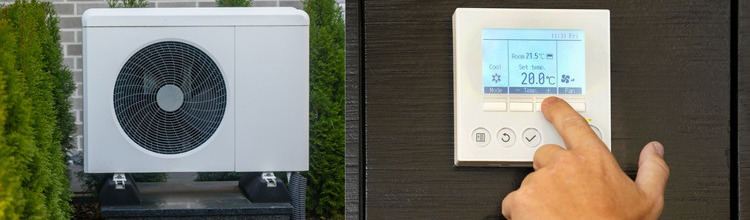
When you live in Florida, “winter” doesn’t usually mean snowflakes and scarves — it means humidity, sunshine, and the occasional cold front that disappears by lunchtime. So when it comes to keeping your home comfortable year-round, the real question is: should you invest in a heat pump or stick with a traditional central air conditioning system?
Let’s compare both systems side by side — from cost and efficiency to lifespan, heating performance, and the unique demands of Florida’s climate.
How Each System Works
Central Air Conditioning
A central air system cools your home by pulling warm indoor air through return ducts, transferring the heat outdoors via refrigerant and a condenser, and circulating cooled air back inside. It’s typically paired with a separate furnace or electric heater for the rare days you actually need warmth.
Heat Pump System
A heat pump does both jobs — heating and cooling — using the same components in reverse. In cooling mode, it acts like a regular AC. In heating mode, it pulls warmth from the outside air (yes, even in 50°F weather) and transfers it indoors. Think of it as a two-way air conditioner.
Cost Comparison: Installation and Operating Costs
Installation Costs
Central Air: $4,500–$8,000 (AC unit only)
Heat Pump: $5,000–$9,500 (covers both heating and cooling
While heat pumps can be slightly pricier upfront, they eliminate the need for a separate furnace — saving money in total system installation.
Operating Costs
Because heat pumps move heat instead of generating it, they’re extremely energy-efficient. Homeowners in mild climates like Florida often save 10–30% on energy bills compared to using separate heating and cooling systems.
Energy Efficiency in Florida’s Climate
Florida’s warm, humid climate is tailor-made for heat pump efficiency. These systems perform best where:
- Winters are short and mild
- Temperatures rarely drop below 40°F
- Cooling is needed most of the year
A high-efficiency heat pump with a strong SEER (Seasonal Energy Efficiency Ratio) rating uses less electricity to achieve the same cooling comfort as an older central AC. Look for SEER ratings of 15 or higher to maximize energy savings.
Heating Capabilities for Mild Winters
One of the biggest misconceptions about heat pumps is that they don’t heat well — but in Florida, they’re perfect. Modern models with variable-speed compressors and inverter technology can efficiently pull warmth from the air even when outdoor temperatures dip into the 40s.
By contrast, a central AC system requires a separate heating source (like electric resistance coils or a furnace), which uses much more energy to generate heat.
Bottom line: A heat pump can handle Florida “winters” with ease while keeping your energy bill predictable year-round.
Lifespan and Maintenance Requirements
Both systems can deliver years of reliable comfort with proper care.
Average Lifespans:
- Central Air: 12–15 years (with regular maintenance)
- Heat Pump: 10–14 years (slightly shorter due to year-round operation)
Maintenance Best Practices:
- Schedule maintenance twice a year — once before cooling season and once before heating season.
- Replace air filters every 1–2 months.
- Keep coils clean and check refrigerant levels regularly.
- Have your technician inspect electrical connections and drain lines annually.
Proper maintenance extends the life of both systems and preserves energy efficiency.
Best Use Cases for Each System
Choose a Heat Pump if:
- You want a single system for both heating and cooling.
- You live in a region with mild winters (like most of Florida).
- You want lower monthly energy bills.
- Your home is fully electric or lacks a gas line.
- You value environmentally friendly, energy-efficient operation.
Choose Central Air if:
- You already have a functioning furnace or gas heating system.
- You live in an area that occasionally experiences freezing temperatures.
- You prefer separate systems for heating and cooling.
Rebates and Incentives Available in Florida
When upgrading to a high-efficiency system, check for current rebates and tax credits. You may qualify for:
- Federal Tax Credits: Up to $2,000 for qualifying ENERGY STAR® heat pumps.
- Florida Utility Rebates: Many local utilities, such as Duke Energy and FPL, offer $150–$400 rebates for high-efficiency installations.
- Manufacturer Rebates: Major HVAC brands frequently run seasonal promotions or cashback programs.
Your Complete Air Mechanical technician can help you navigate current rebates and ensure your system qualifies.
Dual-Fuel Systems: The Best of Both Worlds
For homeowners who want maximum flexibility, a dual-fuel system combines a heat pump with a gas furnace. The heat pump handles most of the heating and cooling duties, while the furnace automatically takes over during rare cold snaps.
This hybrid setup ensures optimal comfort and efficiency all year long, especially for homes in North or Central Florida that experience slightly cooler winters.
The Verdict: Which System Is Best for Florida Homes?
When comparing the two, here’s what to keep in mind:
Heat Pump Advantages
- More energy-efficient for year-round comfort
- Provides both heating and cooling in one system
- Lower operating costs over time
- Ideal for Florida’s mild winters
Central Air Advantages
- Slightly lower upfront cost
- Pairs well with existing gas heating systems
- Suitable for homes with occasional cold-weather needs
In Most Florida Homes:
The heat pump wins. It delivers reliable cooling for nine months of the year, provides efficient heat when temperatures dip, and helps reduce energy costs — all without the need for a separate furnace.
Ready to Find the Right System?
Whether you’re building a new home or upgrading your current HVAC unit, the team at Complete Air Mechanical can help you:
- Compare system costs and long-term savings
- Review available rebates and energy credits
- Choose the right SEER rating for your home and budget
Call (407) 915-0144 or schedule an appointment online to get started.