
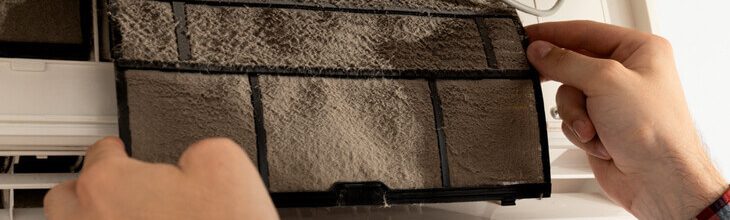
If your AC smells bad when it turns on, it’s more than just unpleasant — it’s your system telling you something is wrong. From musty and moldy odors to burning, vinegar, or that weird “dirty sock” smell, different HVAC odors point to different problems. Some are minor and easy to fix. Others can be dangerous and should never be ignored.
This guide explains what the most common AC smells mean, what you can safely check at home, and when to call a professional.
When to Turn Off Your AC Immediately
Some smells are a safety emergency. If you notice any of the following, turn your system off and call a professional right away:
- Strong burning or electrical smell
- Smoke coming from the vents or the unit
- Rotten egg or sulfur smell (possible gas leak)
- Smell that makes you feel dizzy, nauseous, or lightheaded
These situations can indicate electrical fires, gas leaks, or serious equipment failure.
5 Bad AC Smells & What They Mean
1. Musty or Moldy Smell
A musty smell usually means moisture is trapped inside your HVAC system and mold or mildew is growing.
Common causes include:
- Clogged condensate drain line
- Dirty evaporator coil
- Wet insulation inside the air handler
- Standing water in the drain pan
Florida’s humidity makes this especially common.
If left untreated, mold can spread through your ductwork and impact your indoor air quality.
2. The “Dirty Sock” Smell
This odor smells like sweaty socks or gym shoes and often happens when the AC starts up.
This is caused by bacteria and biofilm growing on the evaporator coil, where moisture and dust collect.
Dirty sock syndrome is common in:
- High-humidity climates
- Systems that cycle on and off frequently
- Homes without proper coil cleaning or UV protection
It won’t go away on its own — the coil must be cleaned or treated.
3. Burning Smell
A burning smell can have two very different causes.
Sometimes it’s harmless:
- Dust burning off the heater after long periods of not running
But it can also mean:
- Overheated electrical wiring
- Failing blower motors
- Melted insulation
If the smell lasts more than a few minutes or returns, shut off the system and call for service.
4. Vinegar or Sour Smell
A sharp vinegar or sour odor often means:
- Bacterial or fungal growth
- Clogged or contaminated drain line
- Standing water inside the unit
These smells usually get stronger when the AC is running and humidity is high.
5. Rotten Egg Smell
This smell can indicate:
- Natural gas leak (if you have gas appliances)
- Dead animal in ductwork (less common but possible)
If you smell rotten eggs:
- Turn off the AC
- Leave the home
- Call your gas company or emergency services
Do not attempt to investigate it yourself.
What You Can Safely Check at Home
Before calling for service, there are a few safe steps you can take.
Replace the Air Filter
A dirty filter traps moisture, dust, and bacteria. Replacing it can dramatically improve odor problems.
Check the Drain Pan
If you can access it, look for standing water or slime in the pan under the air handler.
Look for Visible Mold
Check around vents, inside the return grille, and around the indoor unit for obvious mold or mildew.
Check Thermostat Settings
Constant short cycling increases moisture buildup. Make sure the system is running long enough to dehumidify properly.
What You Should NOT Do
- Do not spray bleach, disinfectants, or air fresheners into your vents.
- Do not pour chemicals into the AC drain line.
- Do not remove panels or electrical covers.
These can damage your system or create dangerous chemical reactions.
When to Call an HVAC Professional
You should schedule service if:
- Smell keeps returning
- Odor is strong or worsening
- You see water leaks or mold
- Anyone in the home has breathing issues
- Smell is electrical or chemical
Odors almost always mean something inside the system needs professional cleaning, repair, or adjustment.
How to Prevent AC Odors in the Future
Routine HVAC maintenance prevents most odor problems.
Professional solutions include:
- Annual or semi-annual system cleaning
- Drain line flushing
- Evaporator coil cleaning
- UV light installation
- Whole-home dehumidification
- Indoor air quality upgrades
These stop bacteria, mold, and moisture before smells ever start.
Schedule an AC Inspection with Complete Air Mechanical
If your AC smells bad, don’t ignore it — odors almost always mean hidden moisture, mold, or mechanical problems.
The team at Complete Air Mechanical can inspect, clean, and repair your system to restore clean, healthy air to your home.
Call (407) 915-0144 or schedule an appointment online to get started.